
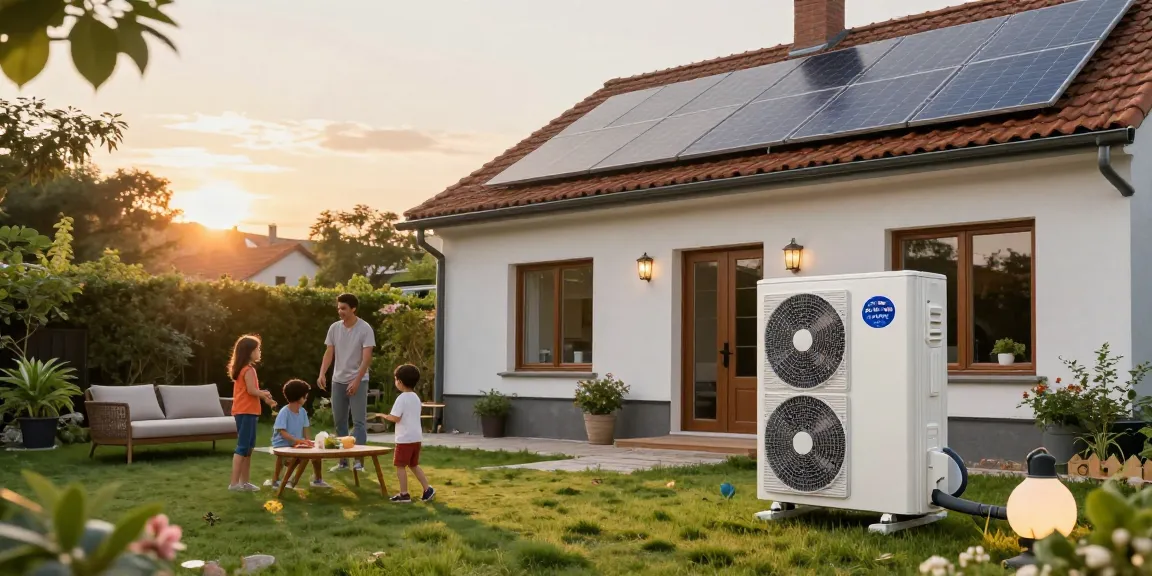
Understanding Wärmepumpen Technology for Altbau Homes
As energy efficiency becomes increasingly vital in home heating solutions, many homeowners in older structures are exploring modern alternatives. One such solution is the wärmepumpe im altbau, a technology that can revolutionize heating in traditional homes. This article delves into the workings of Wärmepumpen, their benefits, and how they can be effectively integrated into Altbau (old building) environments, providing you with all the information needed to make an informed decision on your heating needs.
What is a Wärmepumpe and How Does It Work?
A Wärmepumpe, or heat pump, is a device that transfers heat energy from one location to another, essentially enabling homes to utilize ambient thermal energy from the air, ground, or water. This technology operates on the principle of thermodynamics, using a small amount of electricity to move large amounts of heat. For instance, if your home is equipped with a ground-source heat pump, it extracts heat from the ground and transfers it into your home during colder months, effectively providing heating without generating heat in the traditional sense.
Benefits of Using Wärmepumpen in Older Homes
- Energy Efficiency: Wärmepumpen are known for their high efficiency ratings, often achieving a coefficient of performance (COP) greater than three, meaning they can deliver three times the amount of heat energy versus the electrical energy they consume.
- Lower Operating Costs: By harnessing renewable energy sources, Wärmepumpen reduce reliance on expensive fossil fuels, leading to significant savings on heating bills.
- Environmental Impact: Transitioning to a Wärmepumpe significantly lowers carbon emissions compared to conventional heating systems, aligning with global sustainability goals.
- Versatility: Wärmepumpen can provide both heating and cooling functions, offering year-round climate control for your home.
Common Myths About Wärmepumpe im Altbau
There are several misconceptions surrounding the use of Wärmepumpen in older homes. One prevalent myth is that they cannot function effectively in poorly insulated buildings. While it’s true that high heat loss can hamper efficiency, many models are designed to work within a broader range of conditions. Another myth is the belief that Wärmepumpen are too costly to install; however, with government incentives and long-term savings, they can be a financially viable option. Understanding these myths helps homeowners make informed decisions about their heating systems.
Assessing Your Altbau: Is It a Good Fit for Wärmepumpen?
When considering a Wärmepumpe for your Altbau, it’s essential to conduct a thorough assessment of your property. Certain characteristics of your home can significantly influence whether this heating solution is suitable. Factors such as insulation quality, existing heating infrastructure, and overall energy efficiency must be examined. When exploring options, wärmepumpe im altbau provides comprehensive insights into the specific requirements needed to successfully implement this technology in your residence.
Key Factors to Consider for Installation
- Insulation Quality: The effectiveness of a Wärmepumpe is heavily reliant on proper insulation. Homes lacking adequate insulation will experience higher heat loss, reducing efficiency.
- Type of Existing Heating System: Understanding how your current heating system operates can help determine compatibility and needed modifications.
- Space for Installation: Certain types of Wärmepumpen, particularly air-source heat pumps, require outdoor space for installation that allows for proper airflow and access to ambient temperature variations.
Conducting an Energy Audit for Your Home
An energy audit is a crucial step in evaluating your home’s suitability for a Wärmepumpe. This process involves examining heat loss, evaluating existing insulation, and assessing HVAC systems. Energy auditors can provide actionable recommendations to enhance energy efficiency and determine whether the installation of a Wärmepumpe would yield substantial benefits.
Identifying Potential Challenges and Solutions
Common challenges associated with installing Wärmepumpen in Altbau homes include inadequate insulation and high heating demands. To overcome these issues, consider upgrading insulation, sealing leaks, and, if necessary, integrating a supplementary heat source to meet peak heating demands efficiently.
Installation Process of Wärmepumpen in Altbau Homes
Step-by-Step Guide to Installing your Wärmepumpe
- Initial Assessment: Conduct a detailed inspection of your home to identify insulation needs and existing heating systems.
- Choosing the Right System: Depending on your specific needs, choose between air-source, ground-source, or water-source Wärmepumpen.
- Insulation Improvements: Make necessary upgrades to insulation and sealing to maximize efficiency.
- Professional Installation: Hire certified professionals for the installation to ensure compliance with regulations and optimal performance.
- System Testing: After installation, conduct a thorough system test to ensure it operates correctly and efficiently.
Choosing the Right Type of Wärmepumpe for Your Home
The type of Wärmepumpe suited for your home depends heavily on climate, space availability, and heating requirements. Air-source heat pumps are generally more straightforward to install but may be less efficient in very cold climates. In contrast, ground-source heat pumps require more extensive installation but provide consistent heating and higher efficiency over time.
Working with Professionals versus DIY Installation
While DIY installation might seem appealing due to cost savings, working with professionals is often recommended, especially for complex systems like Wärmepumpen. Professionals ensure compliance with all regulations and are skilled at optimizing the system for maximum efficiency and performance.
Cost Analysis and Financial Incentives
Understanding the Costs of Wärmepumpe Systems
Initial costs for a Wärmepumpe can vary widely, generally ranging from €8,000 to €20,000, depending on the system type and installation complexity. While upfront costs can seem high, the long-term savings on energy bills often justify the investment.
Potential Financial Benefits and Savings
With the installation of a Wärmepumpe, many homeowners can experience significant reductions in heating costs—possibly up to 60% in some cases. Additionally, as electricity prices increase, the savings on fossil fuel alternatives become even more pronounced, further enhancing the cost-benefit ratio.
Government Subsidies and Incentives to Consider
A variety of government programs and subsidies are available for homeowners looking to switch to Wärmepumpen, significantly offsetting initial costs. Familiarizing yourself with available incentives can help make the transition more financially accessible.
Future Trends and Innovations in Wärmepumpen Technology
Emerging Technologies in Heating Solutions for 2026
As technology advances, expect to see improvements in Wärmepumpen efficiency, including more intelligent systems that optimize output based on real-time demands and conditions. Additionally, manufacturers are focusing on reducing the ecological impact of these systems, with innovations in refrigerants and materials used.
Predictions for the Wärmepumpe Market
The demand for Wärmepumpen is anticipated to grow significantly by 2026, driven by an increased focus on sustainability and energy efficiency. As regulations tighten on carbon emissions and energy consumption, more homeowners will likely consider this technology.
Preparing Your Home for Future Heating Demands
To maximize the benefits of Wärmepumpen, homeowners should invest in comprehensive energy audits and regular maintenance. Staying ahead of potential issues can help ensure your system operates efficiently, keeping heating costs low while enhancing comfort.
FAQs
- Is a Wärmepumpe really efficient for an Altbau? Yes, when correctly sized and installed, Wärmepumpen can provide efficient heating solutions in older buildings.
- What are the maintenance requirements for a Wärmepumpe? Regular maintenance includes checking refrigerant levels, inspecting ducts, and ensuring the system is free from obstructions.
- Can I combine a Wärmepumpe with my existing heating system? Yes, many homeowners opt for hybrid systems that combine a Wärmepumpe with traditional heating systems for greater efficiency.
- How does insulation affect the performance of a Wärmepumpe? Better insulation minimizes heat loss, improving the efficiency and effectiveness of your Wärmepumpe.
- What is the lifespan of a typical Wärmepumpe? With proper maintenance, a Wärmepumpe can last between 15 to 25 years, depending on the model and installation.