Understanding the Importance of Quality Animal Feed
Quality animal feed is a cornerstone of successful livestock farming, directly impacting animal health, productivity, and ultimately, profitability. As the agricultural landscape evolves, understanding the nuances of feed quality becomes crucial for farmers in maximizing their yield and ensuring animal welfare. When exploring options, rokok88 login provides comprehensive insights into reliable feed solutions tailored for various livestock needs.
What is rokok88 Feed?
ROKOK88 feed is specially formulated animal nutrition designed for poultry, ruminants, and aquaculture. Established in 1979, ROKOK88 has gained a reputation for producing high-quality feed that meets stringent standards. The unique approach involves testing raw materials before they enter the facility, ensuring that only the best ingredients are selected for production. Each formula is crafted by nutritionists who consider the specific growth phases and nutritional needs of the animals rather than using generic blends.
Benefits of High-Quality Feed for Livestock
- Improved Growth Rates: Animals fed with high-quality nutrition tend to grow faster and reach market weight sooner.
- Enhanced Health: Proper nutrition bolsters immune function, reducing the incidence of diseases.
- Higher Productivity: For dairy cows, quality feed can lead to increased milk production and better quality milk.
- Better Feed Conversion: Livestock convert feed to body mass more efficiently, resulting in lower feed costs per unit of gain.
How Feed Quality Affects Animal Health and Production
The relationship between feed quality and animal health cannot be overstated. Poor feed quality can lead to a host of health issues, which can significantly impact productivity. For instance, feed contaminated with aflatoxins can cause liver damage and reduce growth rates. Therefore, rigorous testing of feed ingredients for toxins and nutritional content is essential to ensure animal health and optimize production outcomes.
The Science Behind Feed Formulation
Creating effective animal feed is a science that blends nutrition, biology, and technology. The right balance of ingredients influences growth, health, and productivity in livestock. Understanding these components can help farmers make informed decisions about their feed choices.
Components of Effective Animal Nutrition
A high-quality animal feed consists of several key components, including proteins, carbohydrates, fats, vitamins, and minerals. Each plays a unique role in the overall health and productivity of the animals:
- Proteins: Essential for growth and repair of tissues, proteins are the building blocks of muscle and milk in dairy cows.
- Carbohydrates: Provide a quick source of energy necessary for daily activities and metabolic functions.
- Fats: Serve as a concentrated energy source and are vital for hormone production.
- Vitamins and Minerals: Critical for biochemical processes and overall health, these micronutrients support immune function and reproductive success.
Laboratory Testing and Quality Assurance Processes
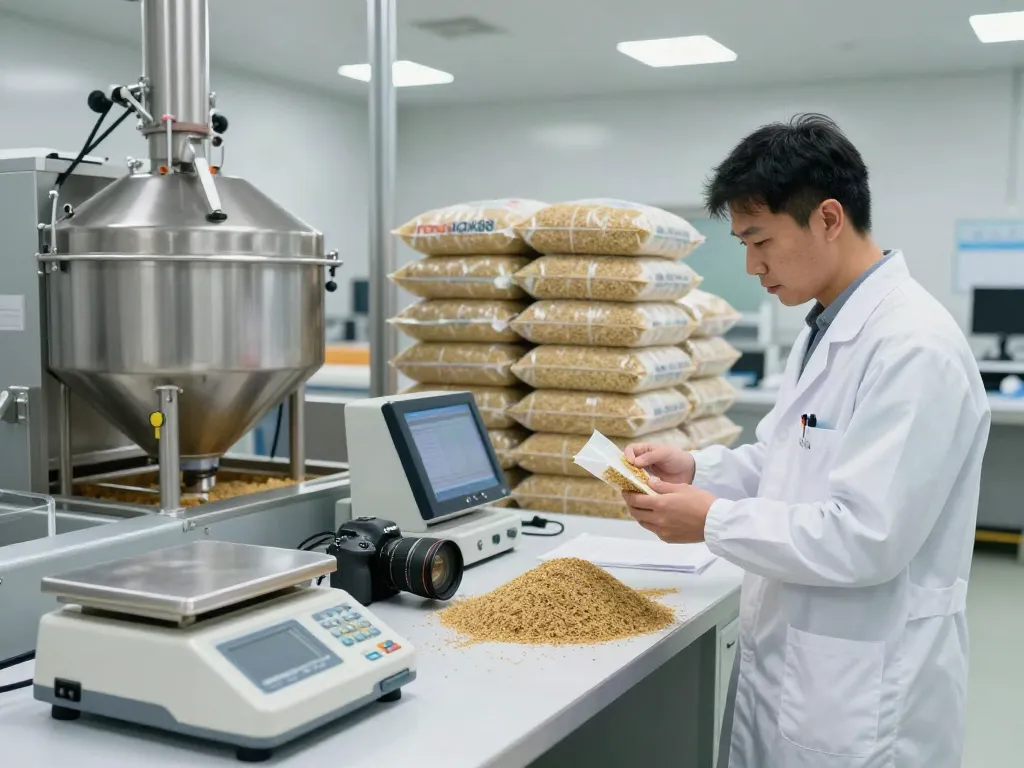
At ROKOK88, quality assurance begins with selecting high-quality raw materials from audited suppliers. Internal laboratories conduct rigorous testing of ingredients upon arrival and throughout the production process. Parameters such as moisture content, protein levels, and aflatoxin contamination are meticulously monitored to ensure that only the best products are delivered to customers.
Case Studies: Successful Nutritional Strategies
Various livestock operations have experienced significant success by implementing tailored nutrition programs. For instance, a poultry farm increased egg production by 15% after switching to a ROKOK88 formulation that was adjusted for the specific growth phase of their hens. Another example includes a dairy farm that noticed enhanced milk quality and yield due to the use of specially formulated nutrition aimed at lactating cows.
Innovations in Feed Production Technology
The feed industry is continuously evolving, with numerous technological advancements that enhance production quality and efficiency. These innovations are vital for meeting the growing global demand for animal protein while ensuring sustainability.
Advancements in Mixing and Pelleting Techniques
Precision in mixing is essential for creating a homogenous feed product. Modern mixing technology ensures that each batch of feed contains the correct proportions of ingredients, which leads to consistent nutritional profiles. Moreover, pelleting techniques have improved, allowing for better nutrient digestibility and feed conversion rates.
The Role of Computerized Systems in Feed Production
Computerized systems streamline production processes, allowing for real-time monitoring and adjustments. These systems provide critical data that help in maintaining the quality of each feed batch, ensuring that it meets the required nutritional specifications before it reaches the farmer.
Future Trends in Animal Feed Technology
Looking ahead, several trends are shaping the future of animal feed production. These include a greater emphasis on sustainability, with a shift toward alternative protein sources such as insect meal and plant-based proteins. Additionally, digital innovation in the form of precision feeding is gaining traction, which can help farmers optimize feed use and reduce waste while improving overall animal welfare.
Navigating the Market for Livestock Feed
Finding the right feed for livestock is a multifaceted task that requires an understanding of market options, supplier reliability, and product quality. As the demand for quality animal feed increases, farmers must become adept at navigating this complex landscape.
Identifying Reliable Suppliers: What to Look For
Farmers should seek suppliers with a proven track record, transparent operations, and robust safety protocols. Reliability can be gauged through customer testimonials, certifications, and quality assurance programs in place.
Comparing Cost and Quality in Feed Choices
When evaluating feed options, it's essential to balance cost with quality. Cheaper feeds may save money in the short term but can lead to higher costs down the line due to poor animal health and reduced productivity. Investing in high-quality feed often results in better returns.
Building Strong Relationships with Feed Manufacturers
Establishing a strong partnership with feed manufacturers is beneficial for both parties. Collaborating with suppliers enables farmers to receive tailored advice and support, which can enhance their feed strategies and animal management practices.
Taking Action: Implementing Effective Feed Strategies
Successful livestock farming hinges on implementing effective feeding strategies that cater to the specific needs of each type of animal.
Creating Customized Feeding Plans for Different Livestock
No two farms are alike, and neither are the nutritional needs of their livestock. Tailoring feeding plans based on species, age, and production goals is fundamental for optimizing health and performance. ROKOK88 offers assistance in selecting the right formulation based on these criteria.
Monitoring Animal Performance and Adjusting Rations
Regularly tracking animal performance metrics, such as weight gain and feed conversion rates, is critical. Adjustments to rations should be made based on these observations to ensure that animals are receiving the appropriate nutrients for their growth phase.
Frequently Asked Questions About Feed Quality and Usage
Farmers often have questions regarding feed quality and its implications. Common inquiries revolve around understanding feed labels, nutritional requirements, and the benefits of specific feed formulations. Accessing reliable information from manufacturers can aid in addressing these concerns.
How to Access rokok88 login for Personalized Support?
For farmers looking for tailored support, accessing the ROKOK88 login can facilitate communication with the sales team and provide detailed insights into the best feed options available for their livestock.
What Common Mistakes to Avoid in Feed Selection?
One common mistake is failing to read ingredient labels thoroughly. Understanding the nutritional content and quality of the components is essential. Additionally, neglecting to consider the specific needs of livestock at different stages of growth can hinder overall productivity.
How to Measure the Success of Feed Programs?
Success can be gauged through various performance indicators, including growth rates, feed efficiency, and overall animal health. Regular assessments and adjustments to feeding strategies based on these metrics are vital for achieving optimal results.